

Understanding Colorado’s Freeze-Thaw Challenge
Which Hardscapes Are Most Vulnerable?
Not all hardscaping faces equal risk. Understanding which features need the most attention helps you prioritize your protection efforts.
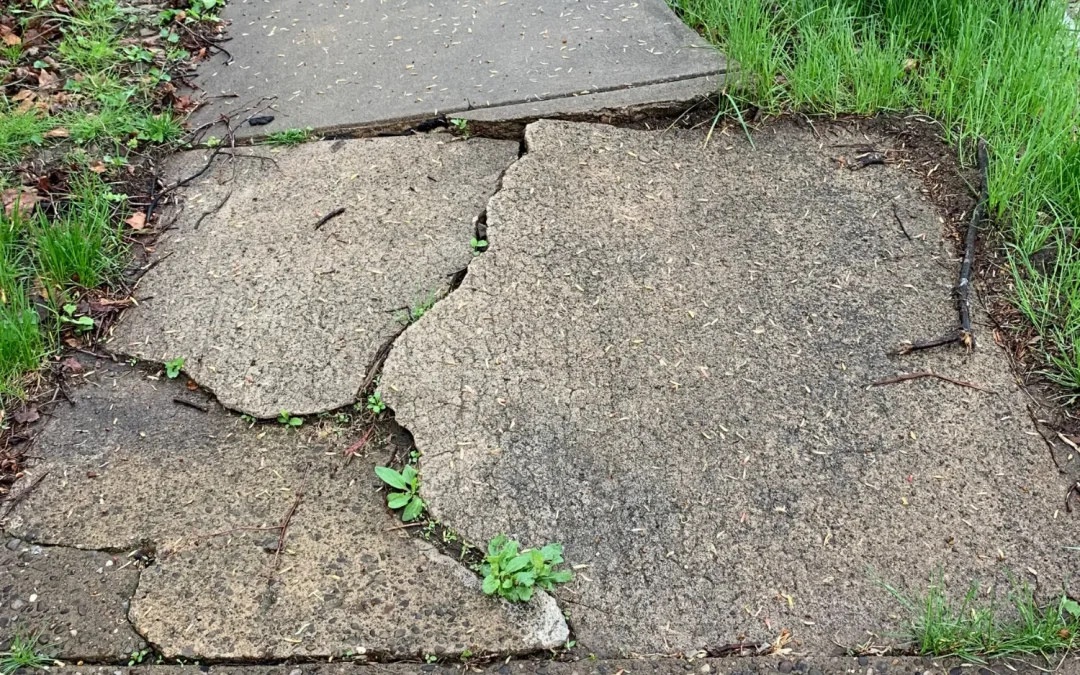
Concrete patios and walkways are particularly susceptible because concrete is porous and readily absorbs water. Older concrete that hasn’t been properly sealed is especially vulnerable. You’ll notice the damage as surface scaling (where the top layer flakes off), spalling (where chunks break away), or widening cracks.
Pavers and flagstone can shift, sink, or crack when the ground beneath them freezes and thaws. The sand or gravel base can become unstable, causing individual pavers to heave or settle unevenly. Water infiltration between pavers can also freeze and push them apart.
Retaining walls face unique challenges because they’re designed to hold back soil, which retains significant moisture. When that moisture freezes, it expands against the wall, creating enormous pressure from behind. Poor drainage makes this exponentially worse.
Natural stone features vary in vulnerability depending on the stone type. Sedimentary stones like sandstone are more porous and vulnerable than dense granite or metamorphic rocks. Colorado’s native sandstone, while beautiful, requires extra protection.
Mortar joints in any stacked stone or brick structure are often the first casualty of freeze-thaw damage. Mortar is more porous than the stone itself, making it a prime entry point for water.
Essential Fall Prevention: Taking Action Now
Clean and Inspect Everything
Seal Concrete Surfaces
If temperatures are still consistently above 50 degrees during the day, you have time to apply a quality concrete sealer to patios, walkways, and exposed concrete retaining walls. Sealing is one of the single most effective protective measures you can take.
Choose a penetrating sealer designed for freeze-thaw protection rather than a surface coating. Penetrating sealers soak into the concrete and repel water while allowing moisture vapor to escape. This prevents water from entering the concrete but doesn’t trap moisture inside, which could cause its own problems.
Apply sealer to clean, dry surfaces following manufacturer directions. Most sealers need 24-48 hours of dry weather above 50 degrees to cure properly. Given that it’s late November, check the weather forecast carefully before starting this project. If temperatures have already dropped too low, plan to seal as early as possible in spring before the ground thaws completely.
Address Drainage Issues Immediately
This is critical and can be done even as winter approaches. Walk your property during or right after a rain or snowmelt to identify where water collects or flows toward hardscapes. Poor drainage is the number one cause of freeze-thaw damage.
Water should always flow away from patios, walkways, and especially retaining walls. If you notice pooling or improper drainage, address it now. Sometimes simple solutions work: clearing blocked drainage channels, adding a shallow trench to redirect water, or ensuring downspouts extend far enough from hardscapes.
For more serious drainage issues involving retaining walls, consult with a professional. Retaining walls need proper drainage behind them (usually weep holes and gravel backfill). If water saturates the soil behind a retaining wall and then freezes, the pressure can topple even a well-built wall.
Repair Minor Damage Before It Worsens
Small cracks in concrete can be filled with specialized concrete crack filler or flexible sealant. This prevents water infiltration and keeps minor damage from becoming major problems. Make sure products are rated for freeze-thaw conditions and can be applied in current temperatures.
Loose pavers should be reset properly. If the base has become uneven, remove affected pavers, re-level the base with sand or gravel, and reset them. Replace any broken pavers now rather than letting them create tripping hazards and drainage problems all winter.
Repoint damaged mortar joints if weather permits. Mortar repair requires temperatures above 40 degrees and several days for curing. If it’s too cold, at least clear out loose mortar to prevent water from collecting in those joints.
Winter Protection Strategies
Smart Snow and Ice Management
How you remove snow and ice significantly impacts hardscape longevity. Never use metal shovels or sharp ice chippers on concrete or pavers—these scratch and gouge surfaces, creating new entry points for water. Use plastic shovels and avoid scraping down to the surface. Leaving a thin layer of packed snow actually provides insulation.
Be extremely cautious with de-icing products. Traditional rock salt (sodium chloride) is highly damaging to concrete, especially newer concrete less than a year old. Salt accelerates the freeze-thaw damage process and causes surface scaling.
Choose calcium magnesium acetate or products specifically labeled as safe for concrete. These are more expensive but won’t damage your hardscapes. Better yet, use sand for traction instead of chemical de-icers when possible.
Never pile snow directly against retaining walls or building foundations. The packed snow creates a reservoir of moisture right where you least want it. Spread snow piles out in areas away from hardscapes where melting water can drain properly.
Monitor for Ice Dams and Water Flow
Check your hardscapes regularly throughout winter, especially after temperature swings. Look for ice accumulation, which indicates water isn’t draining properly. Ice sitting on or against hardscapes through multiple freeze-thaw cycles causes severe damage.
Pay attention to where roof runoff goes during snowmelt. Gutters and downspouts should direct water well away from all hardscapes. If you notice ice dams or overflow running onto patios or near retaining walls, address it immediately, even if that means temporarily placing a tarp to redirect water.
Long-Term Hardscape Protection
Quality Installation Matters
If you’re planning new hardscaping, proper installation is your best defense against freeze-thaw damage. This means adequate gravel bases for pavers, proper slope for drainage (minimum two percent grade away from structures), high-quality materials rated for freeze-thaw conditions, control joints in concrete to manage cracking, and professional-grade drainage systems for retaining walls.
Don’t cut corners on installation to save money. Poor installation means exponentially higher repair costs within just a few years.
Choose Appropriate Materials
Maintain Regular Sealing Schedules
Keep Hardscapes Clean Year-Round
When to Call a Professional
Some hardscape issues require professional expertise. Contact a professional landscaping company like Fredell Enterprises if you notice:
- Significant cracks wider than a quarter-inch
- Retaining walls that are leaning, bulging, or showing signs of movement
- Large sections of concrete showing severe scaling or spalling
- Widespread paver settlement or heaving
- Water consistently pooling on or near hardscapes despite your drainage efforts
- Structural concerns about any hardscape feature
These issues won’t resolve themselves and will only worsen through winter freeze-thaw cycles. Professional assessment can determine whether repairs can wait until spring or need immediate attention to prevent catastrophic failure.
The Cost of Prevention Versus Repair
It’s tempting to postpone hardscape maintenance, especially heading into the holidays. However, the economics strongly favor prevention. Sealing a concrete patio costs a few hundred dollars. Replacing that patio after freeze-thaw damage destroys it costs thousands.
Resetting a few shifted pavers takes an afternoon. Rebuilding an entire paver patio that’s heaved and settled through multiple winter cycles is a major project costing several thousand dollars.
Improving drainage around a retaining wall might cost a few hundred dollars. Rebuilding a collapsed retaining wall can easily cost ten thousand dollars or more, depending on the size.
Taking Action Now to Protect Your Hardscapes
Winter is here, and your window for protective action is closing rapidly. This week, take time to inspect your hardscapes, identify drainage issues, clean all surfaces, and address any minor repairs that current temperatures still allow.
If you’re unsure about your hardscape’s condition or what protection it needs, a professional evaluation is a worthwhile investment. At Fredell Enterprises, we’ve helped countless Colorado Springs property owners protect their hardscape investments from our challenging winters.
Your patios, retaining walls, and pathways represent significant investments in your property’s functionality and beauty. With proper protection, they’ll serve you well for decades. Without it, Colorado’s relentless freeze-thaw cycles will slowly but surely destroy even the best hardscaping.
Don’t wait until you see damage next spring. The protection your hardscapes need starts now, before the deep cold and heavy snows of Colorado winter settle in for the season. A few hours of attention this week can save you thousands of dollars and immense frustration when the weather warms again.
Ready to protect your hardscape investment? Contact Fredell Enterprises today for a professional hardscape assessment and winterization plan. We’ll help ensure your outdoor spaces survive Colorado’s winter and emerge beautiful and intact when spring arrives.