


What Mulch Does for Your Landscape
Before diving into specific mulch types, it’s important to understand why mulching is such an essential step in landscape maintenance.
- Moisture Retention: Mulch slows evaporation, keeping your soil moist longer — a major benefit in Colorado’s dry climate.
- Temperature Regulation: It helps moderate soil temperatures, keeping roots cool in summer and insulated in winter.
- Weed Suppression: A good layer of mulch prevents sunlight from reaching weed seeds, reducing unwanted growth.
- Erosion Control: Mulch protects topsoil from being blown away by Colorado’s frequent winds or washed away by sudden rain.
- Aesthetic Appeal: The right mulch provides a cohesive, finished look to your garden or landscape beds.
The type of mulch you choose can significantly affect how well it performs in these roles, especially under local conditions like intense sun exposure or limited rainfall.
Two Main Categories: Organic vs. Inorganic Mulch
All mulch falls into two basic categories: organic and inorganic.
Each has its strengths, depending on your landscape’s needs and design goals.
1. Organic Mulch
Organic mulches are made from natural materials such as wood, bark, leaves, or compost. They break down over time, adding valuable nutrients back into the soil and improving its structure.
Pros:
- Improves soil fertility and structure as it decomposes
- Supports healthy microbial activity in the soil
- Usually looks more natural in garden and planting beds
Cons:
- Requires periodic replenishing
- Can attract pests if used too close to wooden structures
2. Inorganic Mulch
Pros:
- Long-lasting and low-maintenance
- Excellent for high-traffic or decorative areas
- Doesn’t attract insects or decompose
Cons:
- Doesn’t enrich the soil
- Can retain heat, which may stress some plants in summer
Organic Mulch Options for Colorado Springs Landscapes
1. Shredded Bark Mulch
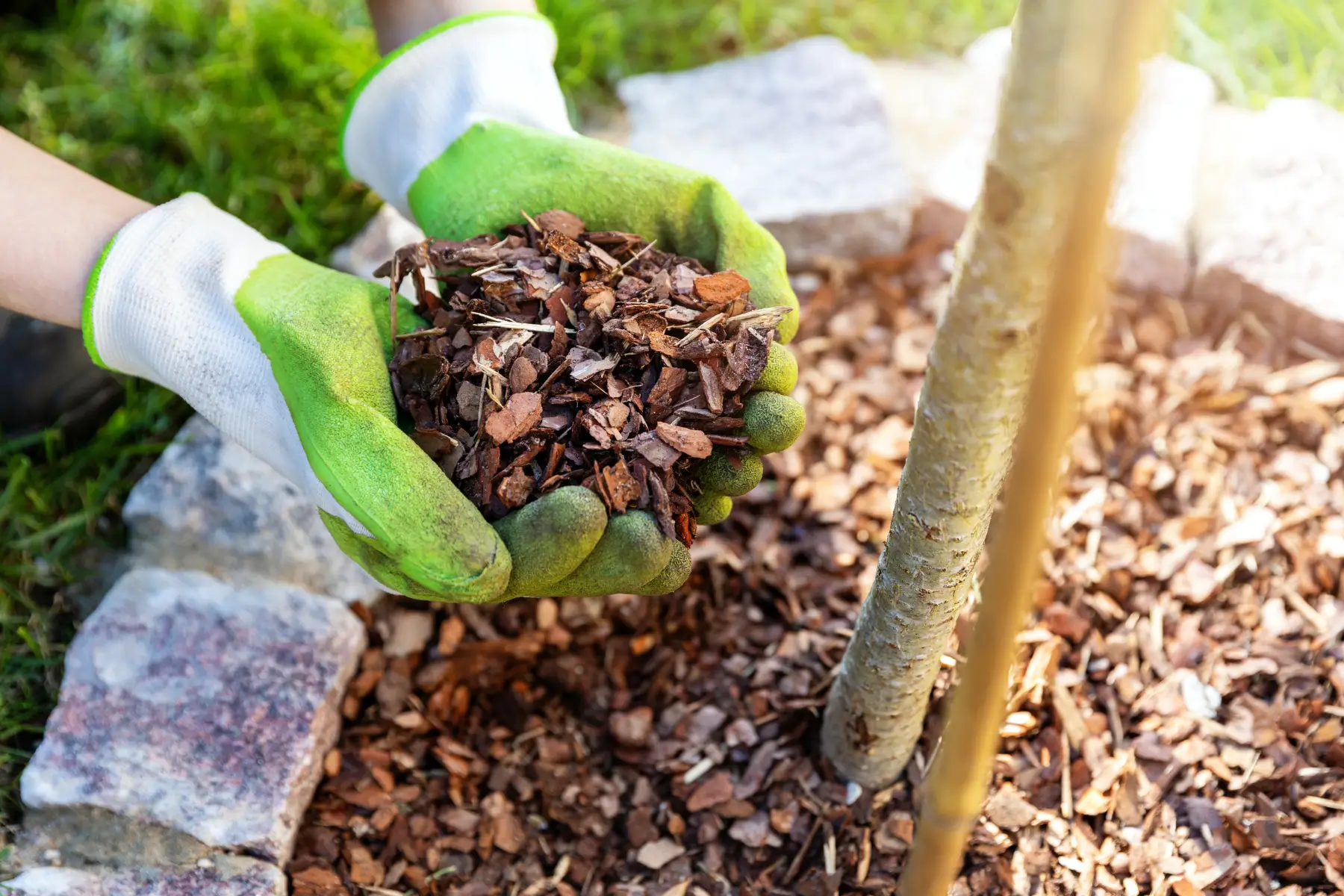
Shredded bark is one of the most popular and versatile organic mulches available. Common options include pine, cedar, and hardwood bark.
Best for: Flower beds, trees, and shrub areas.
Benefits:
- Offers excellent weed suppression and moisture retention.
- Pine bark works especially well in Colorado’s acidic soils.
- Cedar bark has natural oils that repel insects and resist decay, making it longer-lasting.
Colorado Springs Tip:
Cedar mulch performs particularly well here because it holds up to Colorado’s intense sun and dry winds without breaking down too quickly.
2. Wood Chips
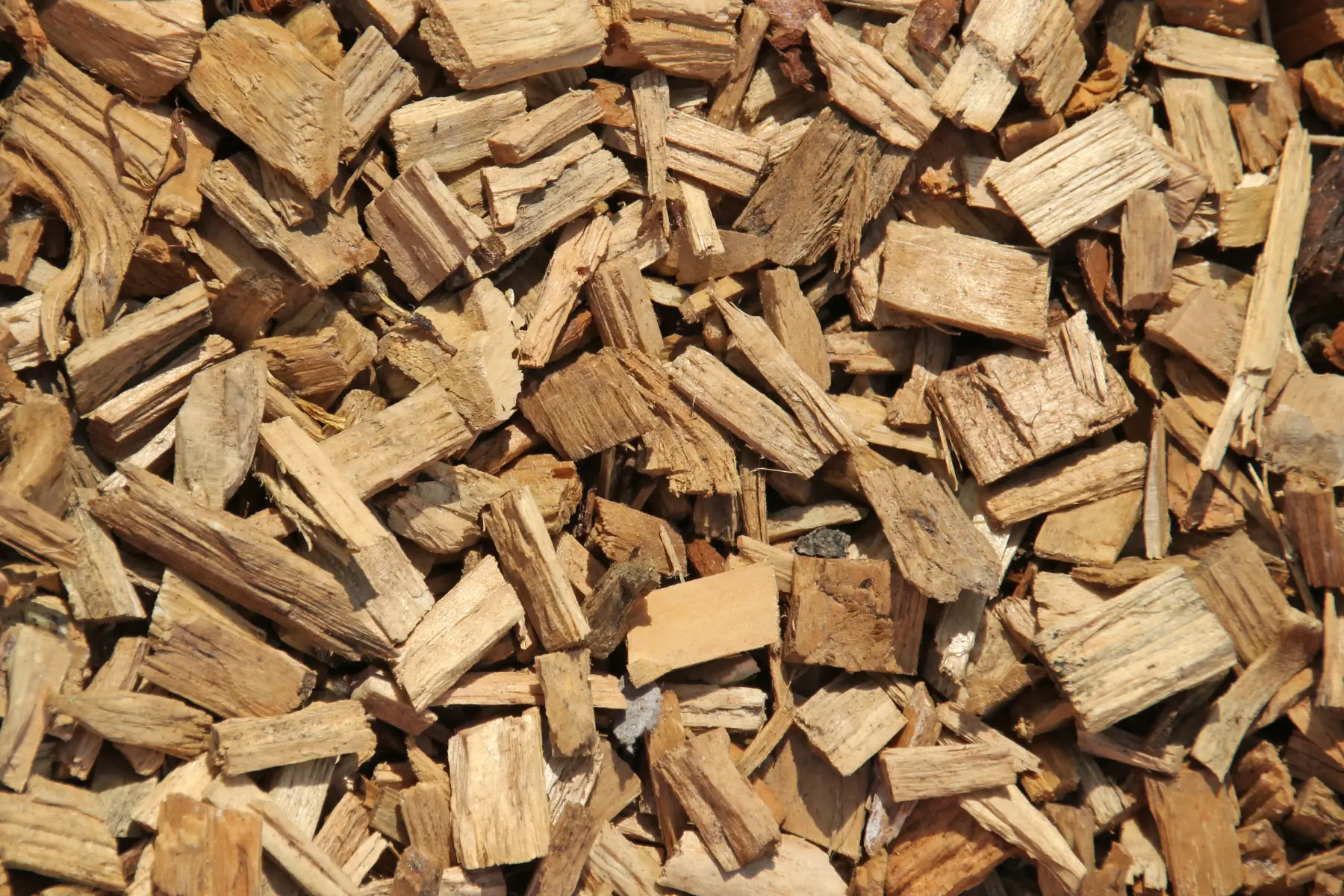
Wood chips are larger than shredded bark and are often sourced from tree trimmings.
Best for: Pathways, around trees, and natural-looking garden areas.
Benefits:
- Great for improving soil health as they decompose.
- Provide a rustic, natural appearance that complements mountain landscapes.
Considerations:
Avoid piling wood chips directly against plant stems or tree trunks, as this can trap moisture and cause rot.
Seasonal Note:
Wood chips provide excellent insulation in winter, keeping roots warmer through the colder months — perfect for fall mulching in Colorado Springs.
3. Compost and Leaf Mulch
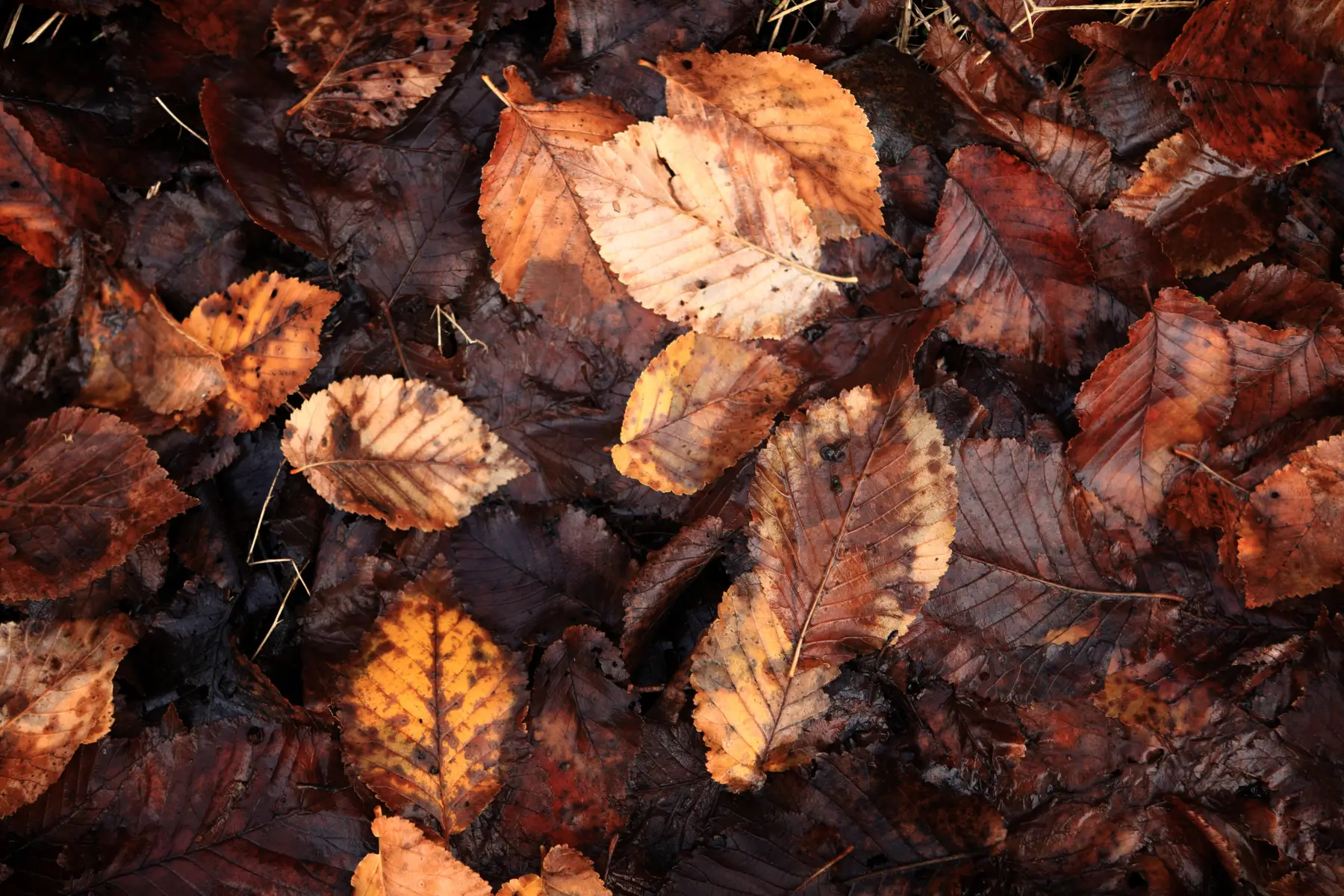
Compost and shredded leaves are nutrient-rich options that boost soil fertility while protecting the soil surface.
Best for: Vegetable gardens, perennial flower beds, and planting areas.
Benefits:
- Excellent source of organic matter for improving poor soil.
- Encourages healthy microbial life in the root zone.
Considerations:
These mulches break down faster than bark or wood chips, so they’ll need more frequent replenishment.
Colorado Springs Tip:
If you have deciduous trees, collect and shred your fall leaves to create a natural, budget-friendly mulch. It’s an excellent way to insulate perennials before the first hard frost.
4. Straw or Hay Mulch
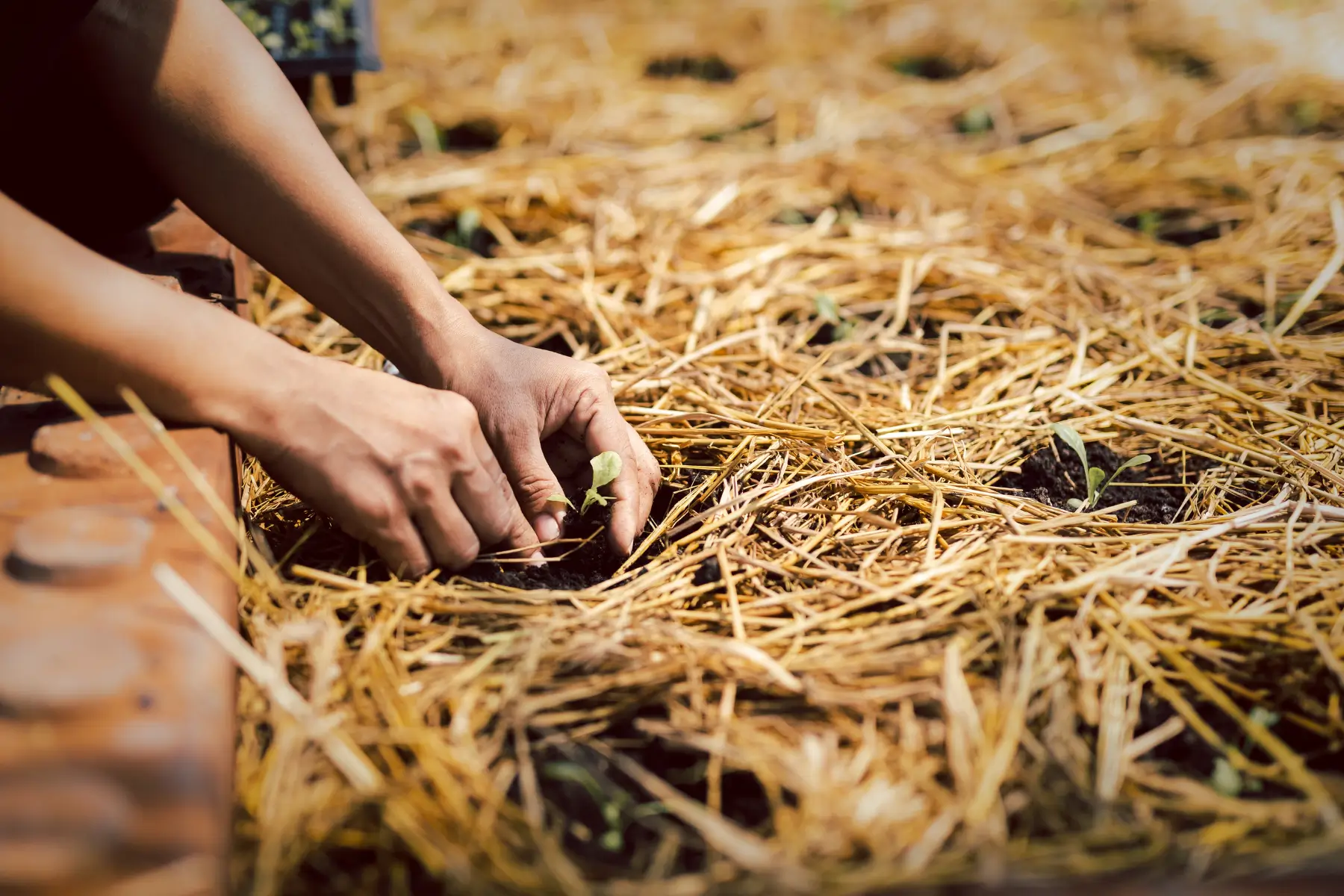
Straw mulch is a great temporary option for garden beds or newly seeded lawns.
Best for: Vegetable gardens or protecting newly planted areas.
Benefits:
- Lightweight and easy to spread.
- Excellent at conserving moisture and preventing erosion.
Considerations:
Use clean straw, not hay, which can contain weed seeds. Straw also decomposes quickly, so it’s ideal for short-term use.
Inorganic Mulch Options for Colorado Springs Landscapes
1. Rock and Gravel Mulch
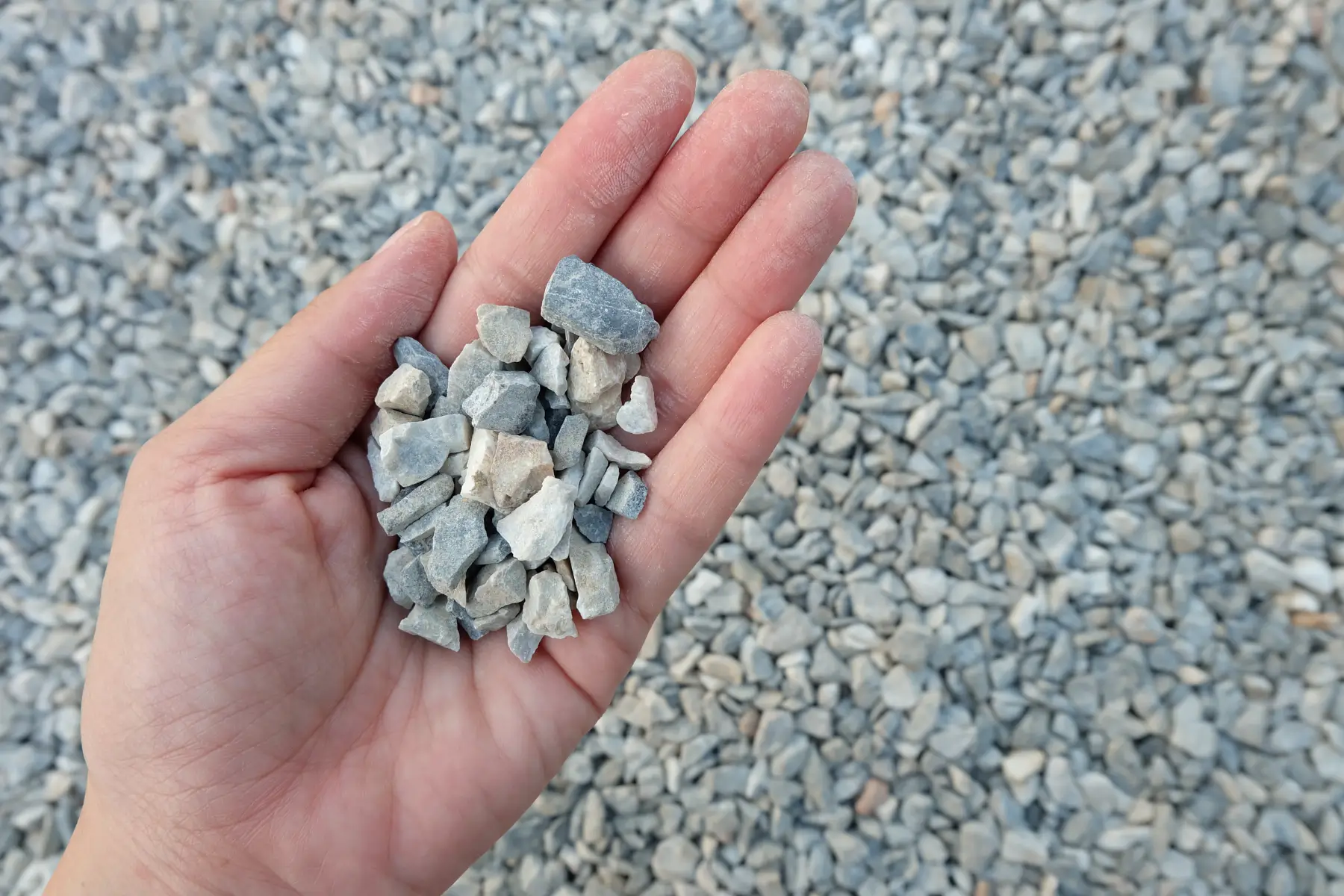
Rock mulch is a favorite in Colorado Springs landscapes, not just for its durability, but also for its visual appeal in xeriscaping designs.
Best for: Xeriscaping, pathways, and decorative accents around cacti, succulents, and drought-tolerant plants.
Benefits:
- Long-lasting and low-maintenance.
- Complements Colorado’s natural stone and mountain aesthetic.
- Helps with drainage and erosion control.
Considerations:
Rock mulch can trap heat, so it’s best used around drought-tolerant plants rather than delicate greenery.
Colorado Springs Tip:
Pair rock mulch with xeriscaping techniques to create a water-efficient, beautiful landscape that thrives in Colorado’s dry conditions.
2. Rubber Mulch

Rubber mulch, made from recycled tires, is a durable and eco-friendly option for some landscape designs.
Best for: Play areas, pathways, and around garden art or hardscaping features.
Benefits:
- Long-lasting and doesn’t attract pests.
- Provides a soft, cushioned surface for play spaces.
Considerations:
Rubber mulch doesn’t break down or add nutrients to the soil, so it’s better for decorative or functional areas rather than plant beds.
3. Landscape Fabric

While not technically a mulch on its own, landscape fabric is often used under rock or bark mulch to suppress weeds.
Best for: Under rock beds, pathways, or large landscaping areas where weed control is critical.
Benefits:
- Prevents weed growth while allowing air and water to reach plant roots.
- Extends the life of mulch placed on top.
Considerations:
Fabric can reduce soil health over time if not combined with organic materials. For the best results, use it selectively in non-planting zones.
Seasonal Considerations: Fall Mulching in Colorado Springs
Late October and early November are excellent times to mulch in Colorado Springs. With winter approaching, mulch acts as a natural insulator, protecting plant roots from freeze-thaw cycles. It also prevents soil erosion during snowmelt and early spring rains.
Tips for Fall Mulching:
- Apply a 2–4 inch layer of mulch around trees and garden beds.
- Leave a small gap around trunks or stems to prevent rot.
- Use organic mulch for gardens and perennials for added soil benefits through the winter months.
If you already have mulch in place, take this time to fluff or replenish it to ensure even coverage before the first frost.
Choosing the Right Mulch for Your Project
- For water conservation: Choose bark, wood chips, or compost to retain moisture.
- For xeriscaping: Go with decorative stone or gravel.
- For garden beds: Use organic mulch like shredded bark or compost to nourish your soil.
- For pathways: Consider gravel, rock, or rubber mulch for durability.
- For fall insulation: Opt for wood chips or shredded leaves to protect your plants through winter.
Mulching with the Experts: Fredell Enterprises Can Help
Mulching may seem simple, but choosing the right type for your unique landscape and climate can make a world of difference.
At Fredell Enterprises, our landscape designers and installation team understand the unique challenges of maintaining healthy, beautiful landscapes in Colorado Springs. Whether you’re refreshing your garden beds, designing a new xeriscape, or preparing your yard for winter, we can help you choose the right mulch materials and application techniques for lasting results.
Ready to protect and beautify your landscape?
Contact us today to learn more about our comprehensive landscaping services and how we can help your yard thrive year-round.